
AMCO: “In Monaco, the compliance officer is criminally liable.”
The profession is under pressure from a regulatory avalanche, individual responsibility and the need to avoid economic tensions.
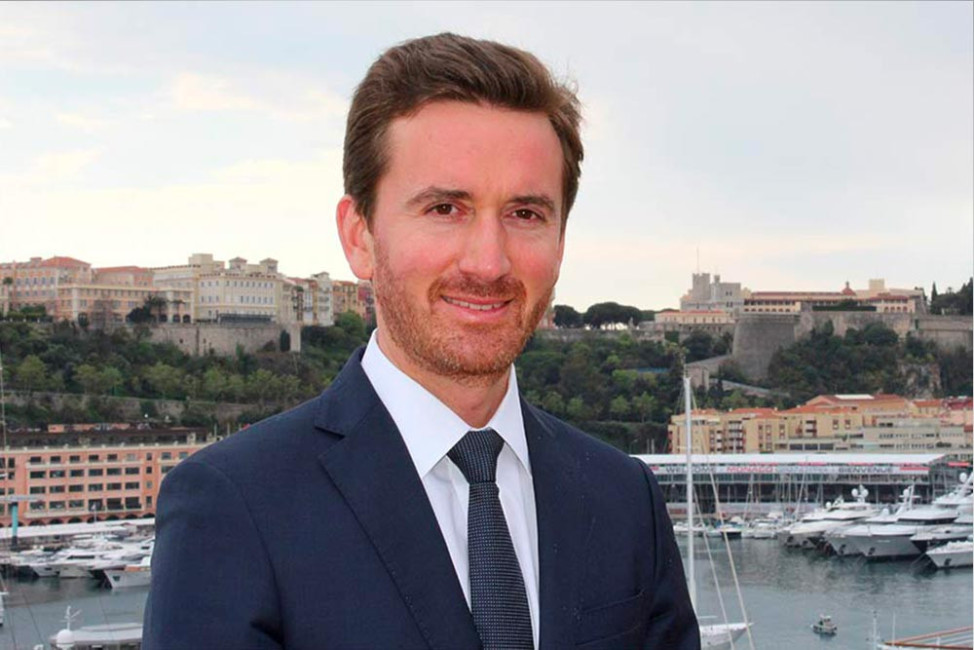
“We’re a bit like Sherlock Holmes but, above all, we’re business partners,” replies Emmanuel Montigaud, President of the Monégasque Association of Compliance Officers (AMCO), with a smile, when asked if compliance officers are now forced to become private detectives, since compliance has become a strategic function.
Regulations: domino effect in non-financial sector
“The tightening of rules and international pressure have profoundly changed the daily lives of compliance officers. In banks, procedures have expanded even further but professionals were already prepared. The shock has come mainly for non-financial sectors, which are now fully subject to Law 1.362,” explains the association’s President. The non-financial sector – which represents nearly 20 regulated sectors - is currently experiencing a major upheaval: “The workload is enormous. Many companies rely on external firms because they lack the capacity to absorb the workload.” The result is high costs, sometimes exceeding €10,000 per year for small businesses.
Between the systematic identification of beneficial owners, the new obligations of non-profit organisations, cash monitoring in the luxury sector and declarations related to Russian sanctions, procedures have become so complex that they inevitably lengthen processing times. Opening a bank account takes about a month, sometimes longer, and foreign counterparties, cautious since the Grey List, demand more documents, more explanations and more transparency. "We're talking about delays ranging from a few days to a few weeks, depending on the situation. It's burdensome, yes, but not a tsunami," says Emmanuel Montigaud. "The fight against money laundering, terrorist financing and corruption remains a matter of due diligence. However, with regard to international sanctions, we are clearly under an obligation to achieve results,” points out Emmanuel Montigaud, from the beginning. Freezing of the funds of listed individuals, double-entry reporting – to the Monaco Financial Services Authority (AMSF) and the Directorate of Budget and Treasury – and immediate communication: the framework is strict and leaves no room for error.
Cash, luxury and international vigilance
In a context of Russian sanctions and international flows, vigilance is constant. The luxury sector and the use of cash are sensitive areas. Monaco maintains a cash payment ceiling of €30,000, a high threshold by European standards. "We will have to reconsider whether to keep this limit if we want to apply the strictest standards," note some compliance officers.
Beneficial owners: greater transparency but greater burden
The implementation of beneficial ownership registers has strengthened the transparency of asset and business structures. "This secures our operations but it also generates additional paperwork and requires educational support for clients," emphasis Emmanuel Montigaud.
Personal criminal liability: sword of Damocles
The pressure on compliance officers is real: "In Monaco, the compliance officer is criminally liable. We have this sword of Damocles hanging over us: we haven't stolen from anyone, we haven't committed any crime," he reminds us, “yet, we live with this sword of Damocles hanging over us.” Some cases have indeed led to individual prosecutions, a rare phenomenon in Europe but quite common in Switzerland and the United Kingdom, which have strict legislation.
Whilst AML/CFT officially relies on an obligation of due diligence, international sanctions are based on an obligation of result. A failed freezing of funds, a late report, an error in judgment…and the professional can be held liable, sometimes years after the events.
The risk, according to the AMCO President, is over-implementation: in trying to be more virtuous than our neighbours, we end up creating a system where compliance officers protect themselves before protecting economic activity. “When you fear sanctions, you ask for more documents, more guarantees. It’s human nature - but it puts the entire economic ecosystem on edge.”
Strained ecosystem: yachting, shipping and international activities under pressure
Tension is particularly visible in sectors exposed to international markets, starting with yachting. For several years, some companies in the sector have had to open accounts abroad, unable to find banks willing to support them in Monaco. This phenomenon also affects the shipping industry, which faces jurisdictions considered sensitive, such as Liberia and Panama. “Yachting and shipping require an enormous amount of due diligence. Not all banks deploy the tools adapted to international business structures. Others have more restrictive risk policies.” The result is slowdowns, refusals, misunderstandings and sometimes the impossibility of operating locally. In a country where these sectors represent real economic value, the issue is far from trivial. To address this, AMCO is working jointly with AMAF, LYBRA and shipping industry stakeholders to develop operational guidelines and turnkey solutions to better manage risks.
Training in partnership with IUM
To support professionals facing ever-expanding regulations, AMCO has set itself a dual objective: to raise the skill level of those subject to the regulations; and to streamline the relationship between economic sectors, banks and authorities.
The answer has been training. In partnership with the International University of Monaco (IUM), AMCO has co-developed a certification programme for the non-financial sector, which is often less prepared than banks for anti-money laundering requirements. “We need to address a need for cultural adaptation. Many stakeholders are discovering obligations that were not part of their corporate culture,” explains Emmanuel Montigaud.
AMCO: community quadrupled in four years
The Monégasque Association of Compliance Officers (AMCO), created in 2000 by AMAF, had 80 members four years ago. It now has nearly 330, reflecting the phenomenal growth of the compliance function across all sectors.
In a Principality where more than 20 business sectors are now subject to anti-money laundering legislation and where 80% of businesses have fewer than 10 employees, AMCO plays a crucial role in training, harmonisation and support. The certification obtained through the IUM is one of the key tools for this accelerated skills' development.