MEB: "Globalisation is becoming more fragmented"
According to forecaster, Christophe Barraud, investors “need to incorporate more macroeconomic and geopolitical variables into their market analysis..."
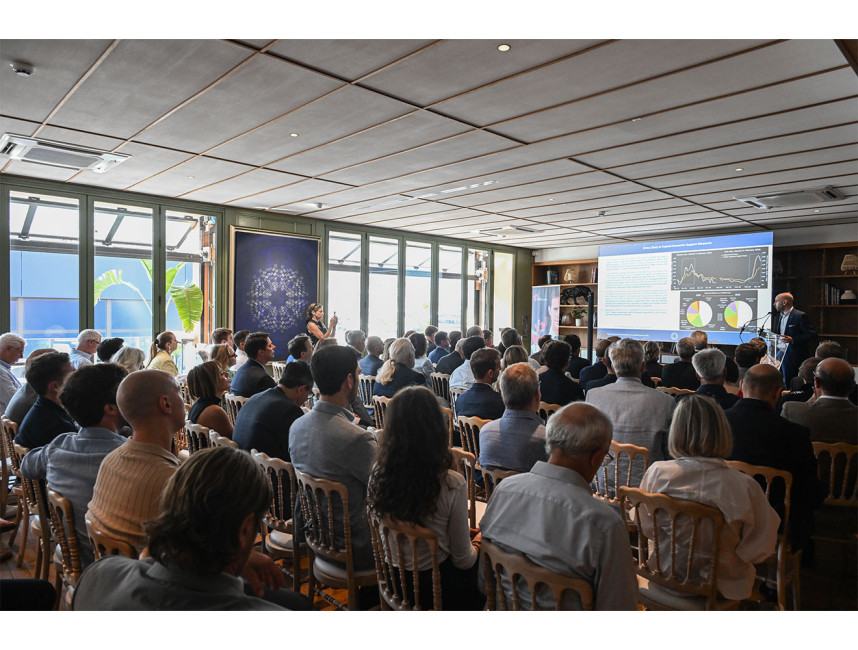
"We are no longer in a classic economic cycle but in a transitional phase where investors, companies and policymakers must learn to think in terms of scenarios rather than certainties." This is the message Christophe Barraud delivered to entrepreneurs in the Principality. "The common thread linking China, the United States and the Eurozone is that the economy is becoming increasingly politicised everywhere. Markets no longer react solely to figures on growth, inflation, or corporate earnings but also, and above all, to budgetary decisions, geopolitical tensions, industrial policies, trade wars and choices regarding sovereignty," explained Mr Barraud, Head of Discretionary Management and Research at Lior Global Partners, who was hosted by the MEB in late May*.
The economist, who is repeatedly ranked as the top forecaster by Bloomberg, predicts that global growth will slow to 2.8% in 2026 (down from 3.4% the previous year), marking the first time it has dipped below the 3% threshold since the Covid-19 crisis. After posting 5% growth in the first quarter, the Chinese economy rests on fragile foundations (temporary boom in the financial sector and export-oriented industrial production). Domestic consumption in China is losing steam due to the ongoing real estate crisis. To mitigate this slowdown and counter Western trade barriers, Beijing is orchestrating a major strategic pivot as part of its five-year plan, injecting record amounts of liquidity to steer the economy towards technological self-sufficiency and high-added-value sectors.
In the United States, the economy is expected to avoid recession in 2026, with projected growth of 2.2%. This momentum is driven by several factors, such as the massive fiscal stimulus initiated by Donald Trump (the One Big Beautiful Bill Act) and spending by the wealthiest households, as well as continued massive investment in artificial intelligence, a crucial growth engine. However, average inflation is expected to reach 3.4%, limiting the Federal Reserve's room to manoeuvre regarding interest rate cuts this year. As for the Eurozone, "it is, arguably, the region most vulnerable to current turbulence. It benefits from neither American fiscal might nor China’s centralised steering capacity. It is navigating an environment of sluggish growth and limited fiscal headroom, where inflation could reignite due to external shocks, particularly regarding energy prices," notes Christophe Barraud. With inflation expected to rise to 3.1% in 2026 (driven by energy costs) and sluggish growth revised down to 0.5%, Europe remains exposed to the risk of a technical recession.
*The event was supported by EFG Bank Monaco
Photo credit: Sébastien Darrasse/MEB
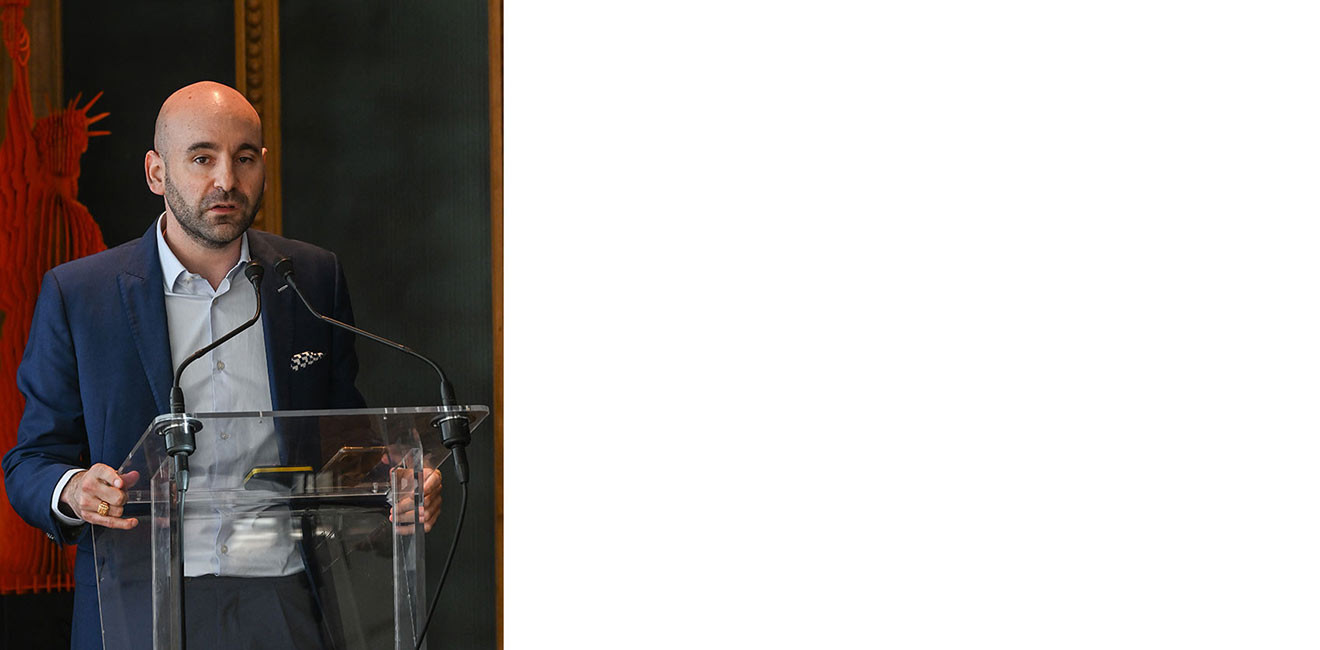
Christophe Barraud, Economic forecaster