Monaco: Exporting Expertise
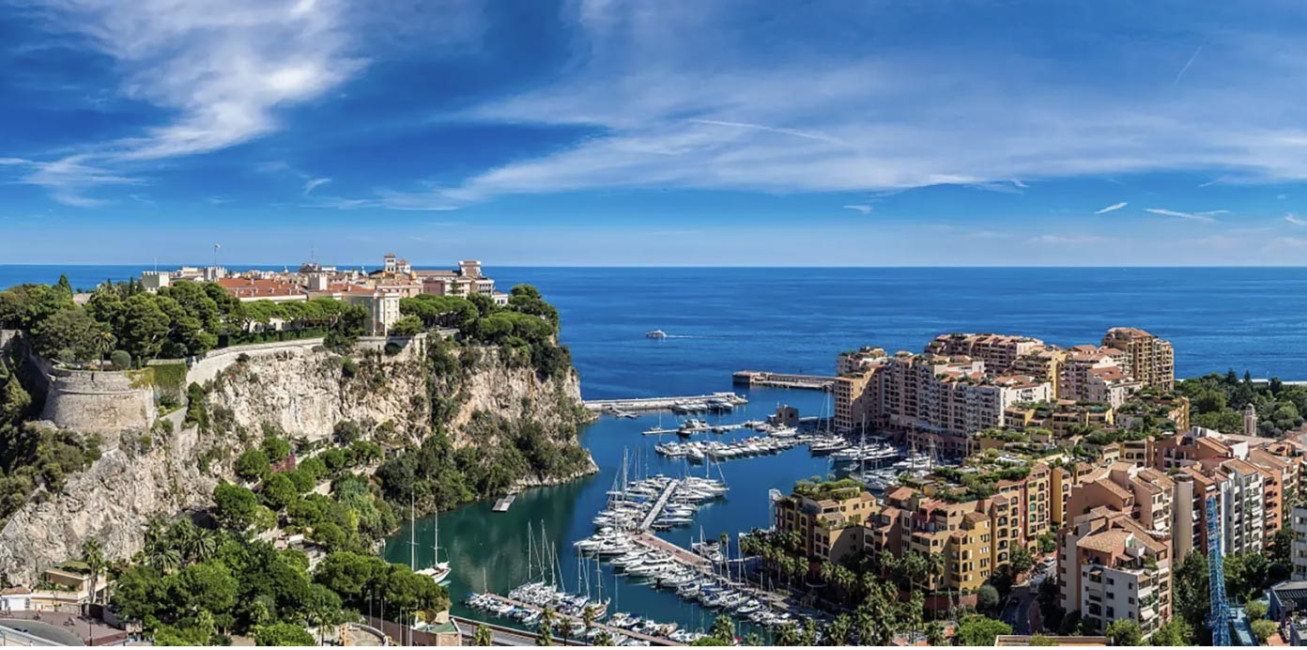
Many people sum up the Monégasque economy solely in terms of its banking sector and casino. Yet Monaco is not just a prestigious hub: the productive, export-oriented fabric of this 2-km² city-state is gaining momentum. Numerous companies are exporting Made in Monaco products.
Long-reduced to its image as a financial and tourist destination, the Principality is asserting itself as a true economic player, capable of exporting. From niche industries to international trade, entrepreneurial success stories to brand strategies, there are Monaco companies that export their skills and expertise, strengthening the international visibility of the Monaco brand.
Solid Foundations
In 2024, the volume of foreign trade (excluding France) crossed the €4 billion mark for the first time, with double-digit growth illustrating the intensification of trade flows; but this dynamism did not emerge overnight. From its origins, the Principality leveraged its geographical location between France and Italy to become a transit point for agricultural, crafts and manufactured goods. In the 19th century, the railway connection to France and the opening of the Monte-Carlo Casino transformed the territory into a hub of attraction and services. Later, under the impetus of Prince Rainier, Monaco developed a genuine industrial policy, paving the way for structured exports in the sectors of watchmaking, jewellery, fashion and high-end manufactured goods. Institutional mechanisms reinforce this influence, such as the missions of the Monaco Economic Board (MEB). "The MEB is literally the right arm of the Principality of Monaco in the economic field […] Increasingly, diplomacy is economic," emphasises Executive Director, Guillaume Rose. Added to this is the Monaco Brands strategy, which protects and enhances the Monaco and Monte-Carlo brands through licensing and partnerships, allowing for the efficient scaling of brand recognition and the opening of targeted international sales channels, whilst maintaining control over brand identity. Export success stories include several Monégasque companies that have risen to the status of economic ambassadors (whether in the jewellery, luxury hotel, restaurant or digital innovation sectors), demonstrating the ability of Monaco SMEs and larger companies to package and promote a distinctive Monégasque lifestyle for export. It's impossible not to mention publicly-listed companies like the Société des Bains de Mer (see page 14), a flagship of the Monégasque economy which, since 2015, has had the luxury group, LVMH, and the Chinese casino operator, Galaxy Entertainment Group (approximately 10% stake), amongst its shareholders, thus offering significant potential for growth.
Some brands and startups have successfully transformed a strong reputation into increased sales, licensing agreements and international expansion, as seen with Mercure International of Monaco (Mercury being the god of commerce!). Initially specialising in the import and export of sports equipment, this family-run business, founded in 1986 by Adnan Houdrouge, has diversified into fashion, food, restaurants, beauty and lifestyle products. Present in 16 countries across three continents, it employs 5,000 people (including about 100 in Monaco) and operates 250 retail outlets ranging from 50 to 5,000 m², under both single-brand and multi-brand banners (Courir, Levi’s, Celio, Kiabi, Super U, Casino, etc). It reports revenues of €185 million in Monaco and €1 billion worldwide. As proof of its influence, in 2014 Mercure International co-founded the Monaco Business Club in Africa (CEMA) with four other local companies (Ascoma, ES-KO, Rothschild Martin Maurel and Sonema), all “sharing a common DNA: being active on the African continent.” Eleven years later, CEMA has 26 active members, €1.6 billion in revenue in Africa and 5,000 employees dedicated to the African continent!*
International Trade and Industry: Two Pillars of Export Activity
In Monaco, international trade is a major economic driver, accounting for more than half of the Principality’s total foreign revenue in 2024. This sector includes the expected areas of jewellery, art and luxury goods but also less predictable products such as food and agricultural products (high-end meat, gourmet products) and even oil products, traded through Monaco as a commercial hub. Monégasque industry, compact yet diversified, comprises some 100 companies specialising in fine chemicals, pharmaceuticals, plastics processing, electronics and mechanical engineering. These companies, discreet yet innovative, have established themselves in niche global markets, where quality trumps quantity. For example, the manufacturing of rubber and plastic products accounts for around 30% of some industrial sectors and the chemical industry also represents a double-digit share of the overall industry's revenue.
European Conundrum: Negotiations Suspended
This growth, however, faces a major obstacle: the absence of an association agreement between Monaco and the European Union. Since September 2023, the negotiations initiated in 2015 have been suspended, with both parties deeming conditions unsuitable for finalising a text. In the absence of a clear framework, many companies are struggling to export to European countries or participate in international pitches. The affected sectors range from the chemical and pharmaceutical industries to the food and beverage and cosmetics sectors. "The lack of an agreement blocks exports to the EU for some of our companies, which has a negative impact on their revenue and, therefore, on their viability and, consequently, ultimately, on employment," warned Philippe Ortelli, President of the Federation of Monégasque Businesses (FEDEM), in L'Observateur de Monaco. Whilst no date has yet been announced for resuming discussions, the government has expressed a desire to maintain dialogue and not to "turn its back on Europe." The question remains: how can Monaco's specificities be reconciled with the requirements of the single market?
* For the past four years, CEMA has organised Africa Day to meet with carefully-selected business leaders from the African continent and foster business opportunities.
By Milena Radoman - Monaco Economie